







01 Completed delivery
2,000+Projects
Mobile App Development
IoT & Wearable App Development
WDI helps product teams plan and build mobile experiences that connect users to wearables, sensors, smart products and other connected devices without treating pairing or sync as an edge case.
As an IoT and wearable app development partner, WDI considers device scope, companion journeys, connectivity, offline behaviour, sensor data, firmware coordination and the supporting backend before defining the connected product approach.
Selected clients
Trusted to Build Digital Products
02 Product experience
200+Digital Products03 Client profile
Growing Businesses & Enterprises04 Delivery model
Centralised ExecutionWhat we do
IoT & Wearable App Development Services
WDI helps product teams plan, build, migrate and modernise dedicated iOS and Android applications where native engineering supports the required product experience. Our native app development services cover platform-specific development, migration, modernisation, interface engineering and quality assurance. WDI considers device capabilities, operating-system requirements, integrations, performance expectations and the wider roadmap before recommending whether a native approach provides the strongest fit for the product.

Wearable Companion Apps
Build mobile experiences that pair with watches, bands and other wearables, including onboarding, pairing flows, status views and continuing synchronisation.

IoT Device Connectivity
Connect apps to sensors, gateways and smart products using supported protocols, with clear pairing, permissions, error states and recovery behaviour.

Sensor Data & Monitoring
Capture, visualise and act on device readings for health, fitness, industrial monitoring or smart-product use cases without treating connectivity as an afterthought.

Device Control & Alerts
Define reliable control surfaces, notifications and alert workflows between the mobile app, connected devices and supporting backend systems.

Offline & Edge Behaviour
Plan for intermittent connectivity, local buffering, conflict handling and later sync so device-led products remain usable in the field.

Testing Across Devices
Validate pairing, data exchange, battery impact, firmware assumptions and failure modes across the supported device and mobile combinations.
Related services
Extend Your
Native App
Native applications often depend on wider product, design, AI, connected-device and deployment requirements. These related services support the mobile product where needs extend beyond dedicated iOS or Android engineering.

01 — AI
AI Mobile App Development
Add AI capabilities where product needs, available information and operating requirements support them.

02 — Cross-platform
Cross-Platform App Development
Consider shared mobile engineering where native development is not required across both platforms.

03 — IoT
IoT & Wearable App Development
Connect native apps with supported devices or wearables where required by the product.
04 — MVP
MVP App Development
Define and build a focused mobile first release before expanding the wider roadmap.
05 — Design
Design Systems & Scalable UI
Create reusable interface patterns that support consistency across evolving mobile product experiences.
06 — Modernisation
Product Redesign & Modernisation
Rework existing product experiences where usability, structure or interfaces need broader improvement.
07 — Cloud
Cloud Applications & DevOps
Address supporting environment and deployment requirements according to the approved product scope.
Connected products succeed when device scope, companion journeys, sync behaviour and failure states are designed together. WDI helps determine what belongs in the first release and what can wait.
Which Devices
Should We Support?
Identify the hardware, sensors and platforms that matter for the first release so pairing, testing and support stay within a realistic boundary.
Discuss this decision
What Does the
Companion App Do?
Clarify setup, monitoring, control, history and alert journeys before building a generic shell that does not reflect how the device is actually used.
Discuss this decision
How Should Pairing
and Permissions Work?
Design Bluetooth, location and notification flows with clear success, failure and recovery states so users are not left mid-setup.
Discuss this decisionWhat Happens When
Connectivity Drops?
Decide which actions queue locally, which require live connection and how conflicts resolve when the device and app reconnect.
Discuss this decisionHow Do We Handle
Sensor Data at Scale?
Plan sampling, storage, aggregation and retention around the volume and value of readings rather than shipping raw streams by default.
Discuss this decisionWhat Belongs in the
First Connected Release?
Prioritise the device interactions needed to prove the product while deferring secondary hardware variants and aspirational integrations.
Discuss this decisionOur solutions
Native App Solutions
01 /
Launch a New Mobile Product
Plan and build a dedicated iOS, Android or multi-platform native product around defined users, journeys, functionality, integrations and release priorities.
02 /
Add AI to an Existing Mobile App
Introduce AI capabilities where the use case, available information, existing native architecture and operating requirements support practical integration.
03 /
Modernise Legacy Mobile Apps
Review ageing native applications to determine whether targeted improvement, migration or redevelopment offers the more appropriate path forward.
04 /
Integrate Apps with Business Systems
Connect native mobile applications with existing business systems where suitable APIs, permissions and integration routes are available.
05 /
Build Mobile Customer Portals
Create native customer-facing experiences around defined services, information and workflows supported by the required authentication, backend systems and integrations.
06 /
Automate Mobile Workflows
Digitise repeatable mobile activities through native workflows that capture information and connect with supporting systems where appropriate.
07 /
Centralise Mobile Data & Reporting
Bring relevant application information into defined views so users or operational teams can review agreed mobile data more consistently.
08 /
Build Scalable Enterprise Mobile Solutions
Plan enterprise native applications around users, workflows, integrations and foreseeable operating requirements without treating scalability as an automatic outcome.
Industries
Native Apps by Industry
Native development can suit products requiring deeper platform integration, device functionality or dedicated user experiences. WDI can shape native mobile products around different industry contexts while keeping requirements specific to the intended application.





Financial Services
Develop native mobile experiences around financial information and workflows where access, integrations, user roles and operating requirements are clearly defined.
Learn more




Healthcare & Wellness
Create native applications supporting healthcare or wellness journeys where information handling, device functionality, user access and workflows are understood.
Learn more



Learning & Education
Build native learning applications around content access, interactions, device capabilities, progress-related journeys and administrative requirements suited to the product.
Learn more



Commerce & Consumer
Develop native consumer experiences around discovery, transactions, engagement and device-specific functionality where these requirements support the intended product experience.
Learn more


Media & Community
Create native mobile products supporting content, communication and community participation while accounting for platform conventions, moderation and user interaction requirements.
Learn more



Mobility & Logistics
Build native applications for operational or location-sensitive workflows where device functionality, integrations, information and user roles are clearly defined.
Learn more


Industrial & Emerging Tech
Develop native mobile experiences around connected or operational use cases where device, integration, platform and workflow requirements are established before implementation.
Learn more01
Client outcome
Clarify users, business goals, platform priorities, mobile journeys and required device capabilities.
Stage 01
Understand the Product
Clarify users, business goals, platform priorities, mobile journeys and required device capabilities.
02
Client outcome
Determine whether dedicated iOS or Android engineering is justified and identify meaningful platform-specific requirements.
Stage 02
Assess Native Fit
Determine whether dedicated iOS or Android engineering is justified and identify meaningful platform-specific requirements.
03
Client outcome
Shape journeys, interfaces and interactions around the product while respecting relevant platform conventions.
Stage 03
Design the Experience
Shape journeys, interfaces and interactions around the product while respecting relevant platform conventions.
04
Client outcome
Define native application structure, backend services, APIs, integrations, data and supporting requirements.
Stage 04
Plan the Architecture
Define native application structure, backend services, APIs, integrations, data and supporting requirements.
05
Client outcome
Develop agreed platform functionality progressively against the prioritised product scope.
Stage 05
Build in Iterations
Develop agreed platform functionality progressively against the prioritised product scope.
06
Client outcome
Test agreed functionality, device behaviour and integrations across supported native environments before release.
Stage 06
Validate & Release
Test agreed functionality, device behaviour and integrations across supported native environments before release.
07
Client outcome
Review product needs, operating-system changes and roadmap priorities to guide subsequent releases and modernisation.
Stage 07
Evolve the Product
Review product needs, operating-system changes and roadmap priorities to guide subsequent releases and modernisation.
Technology
Native App Technology Expertise
Native development combines platform-specific engineering with backend, data and integration requirements. The technical approach should reflect the product, device capabilities, operating-system expectations and wider application architecture.

Native iOS Development
Build dedicated iOS applications around platform, product and device requirements.

Native Android Development
Build dedicated Android applications around platform, product and device requirements.

Mobile Backend Engineering
Build supporting application logic and backend services required by native mobile products.

API & Backend Integration
Connect native applications with approved APIs, backend services and business systems.

Mobile Database & Data Sync
Structure mobile data and synchronisation around product workflows, connectivity and agreed information requirements.

Cloud & DevOps for Mobile
Address deployment and environment requirements according to the approved mobile architecture and scope.

Native App Performance & Security
Define performance, access, authentication and information-handling requirements according to the product and agreed scope.
AI Opportunities
AI for Native Apps
AI can support native mobile experiences where product needs, available information and technical feasibility justify its use. Specific advanced techniques should be selected only where current capability evidence supports the implementation.
Mobile AI Features
Add defined AI capabilities to native applications where the product need and technical approach are validated.
Intelligent Personalisation
Adapt selected experiences using relevant user information where suitable data and evaluation criteria exist.
Conversational Assistants
Support defined information or workflow tasks through conversational interactions with appropriate controls.
Predictive Recommendations
Use suitable historical information to support recommendations where meaningful evaluation is possible.
Visual Information Processing
Use supported image or visual inputs only where validated capability and product requirements justify the implementation.
Voice-Enabled Experiences
Use voice interaction where supported capability and product requirements justify the experience.
Behavioural Insights
Analyse suitable interaction information to identify patterns that may inform product decisions.
Workflow Assistance
Apply AI to suitable workflows while maintaining appropriate ownership, review and exception handling.
Our Projects
Selected work
A fraction of what we have shipped. Filter by industry to find work close to your world.

01 / 06WDI × GSF
Key Impact
India’s first commercial fitness platform built for corporates.
iOS & AndroidLive SessionsCorporate Wellness
Fitness & Wellness
GSF
01Fitness & Wellness
Get Set Fit
Personalized. Trackable. Engaging.
GSF is a fitness platform connecting fitness goals — tracking live sessions, corporate users, subscriptions, and engagement loops.
C
Flawless fitness platform.
Truly engaging product.

02 / 06WDI × WOKA
Key Impact
Over 1M downloads and 10M+ streams to date.
Kids OTTLive TVMobile-first
Media & Entertainment
WOKA
02Media & Entertainment
WOKA
A safe universe for kids.
A kids OTT and entertainment platform blending live TV, audiobooks, games, karaoke, and learning in one safe, mobile-first experience.
C
Kids genuinely love it.
Beautifully crafted app.

03 / 06WDI × Tanami
Key Impact
Over $2M in assets managed through the app.
Private MarketsSmart MatchingMobile-first
Fintech
Tanami
03Fintech
Tanami
Private markets, opened up.
A fintech investment platform bringing institutional-grade private markets to a refined mobile-first experience with smart matching.
C
Institutional-grade execution.
Seamless investing experience.

04 / 06WDI × SimpliTend
Key Impact
Coordinated elder care for families and caregivers.
CaregivingHealth LogsSenior-friendly UX
Healthcare
SimpliTend
04Healthcare
SimpliTend
Care, coordinated.
A healthcare and caregiver platform syncing care recipients with their circle through reminders, health logs, and a senior-friendly interface.
C
Thoughtful care platform.
Genuinely life-changing.

05 / 06WDI × ZingHR
Key Impact
One of India’s largest HR platforms, trusted by enterprises nationwide.
HCM SuiteEmployee LifecycleEnterprise
Enterprise / HR
ZingHR
05Enterprise / HR
ZingHR
The whole employee journey.
A mobile-first human capital management platform automating the full employee lifecycle for over a thousand global organizations.
C
Enterprise-ready and rock-solid.
Scales effortlessly.

06 / 06WDI × Autolex
Key Impact
Insurance claims, intelligently handled end-to-end.
AI-AssistedClaims GovernanceInsurance
Insurance
Autolex
06Insurance
Autolex
Claims under control.
An AI-assisted claims governance platform bringing structure, visibility, and intelligence to complex motor and legal insurance workflows.
C
Smart claims automation.
Incredibly intuitive tool.
Client perspectives
What product leaders say
about designing with WDI
Verified feedback from founders, product owners and technology teams who have worked with WDI on product strategy, UX, interface design and digital-product delivery.
Working with WDI has been a quietly brilliant decision. They think with us, not just for us - the architecture they proposed still serves us three years on.
Zero drama.
Shipped.
The AI features we built with WDI are live in production and our support team is genuinely faster. Real, practical engineering - not buzzwords.
Pixel-perfect craft.
They architected our platform to one. Two years and 10× traffic later, it hasn't flinched once.
Working with WDI has been a quietly brilliant decision. They think with us, not just for us - the architecture they proposed still serves us three years on.
Zero drama.
Shipped.
The AI features we built with WDI are live in production and our support team is genuinely faster. Real, practical engineering - not buzzwords.
Pixel-perfect craft.
They architected our platform to one. Two years and 10× traffic later, it hasn't flinched once.


Awards & recognition
Recognisedwhere it counts -by the people keeping score.
20+ honours across 4 independent platforms - verified on Clutch, Google,DesignRush and GoodFirms. Every entry below links back to its source, so theproof stands on its own.
- 01
Clutch
4.9Top B2B Company 2025
Verified Reviews - 02
Google
4.9Google Reviews 2025
Customer Rating - 03
DesignRush
- 04
GoodFirms



Explore WDI capabilities
Explore WDI
Capabilities
Mobile development may connect with broader product, software, design, AI or delivery requirements. These WDI capabilities provide clear routes to related services when the requirement extends beyond the mobile application itself.
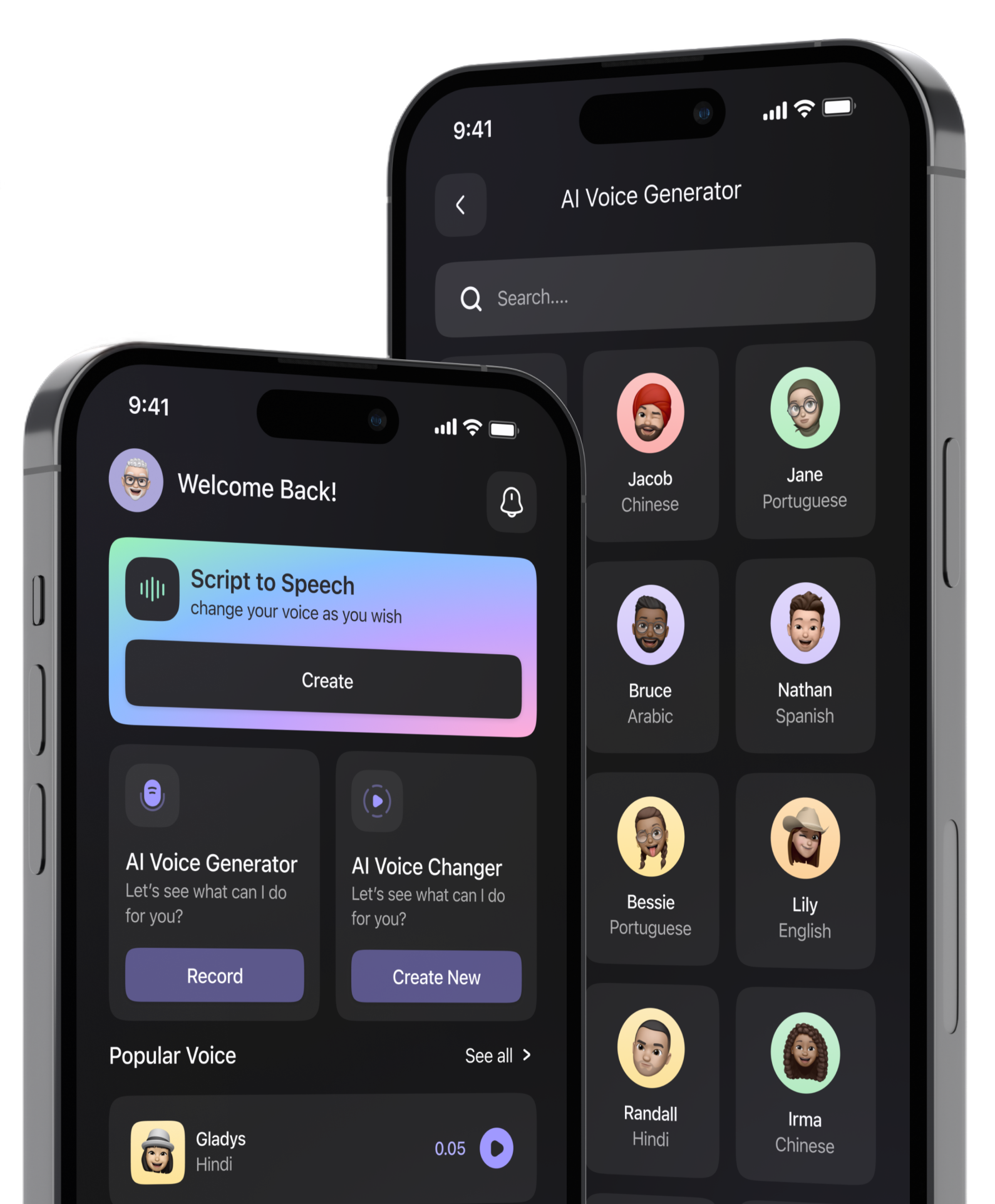
01 — AI
AI Development
Evaluate and implement AI capabilities for products, software and workflows where AI supports a defined business or user need.
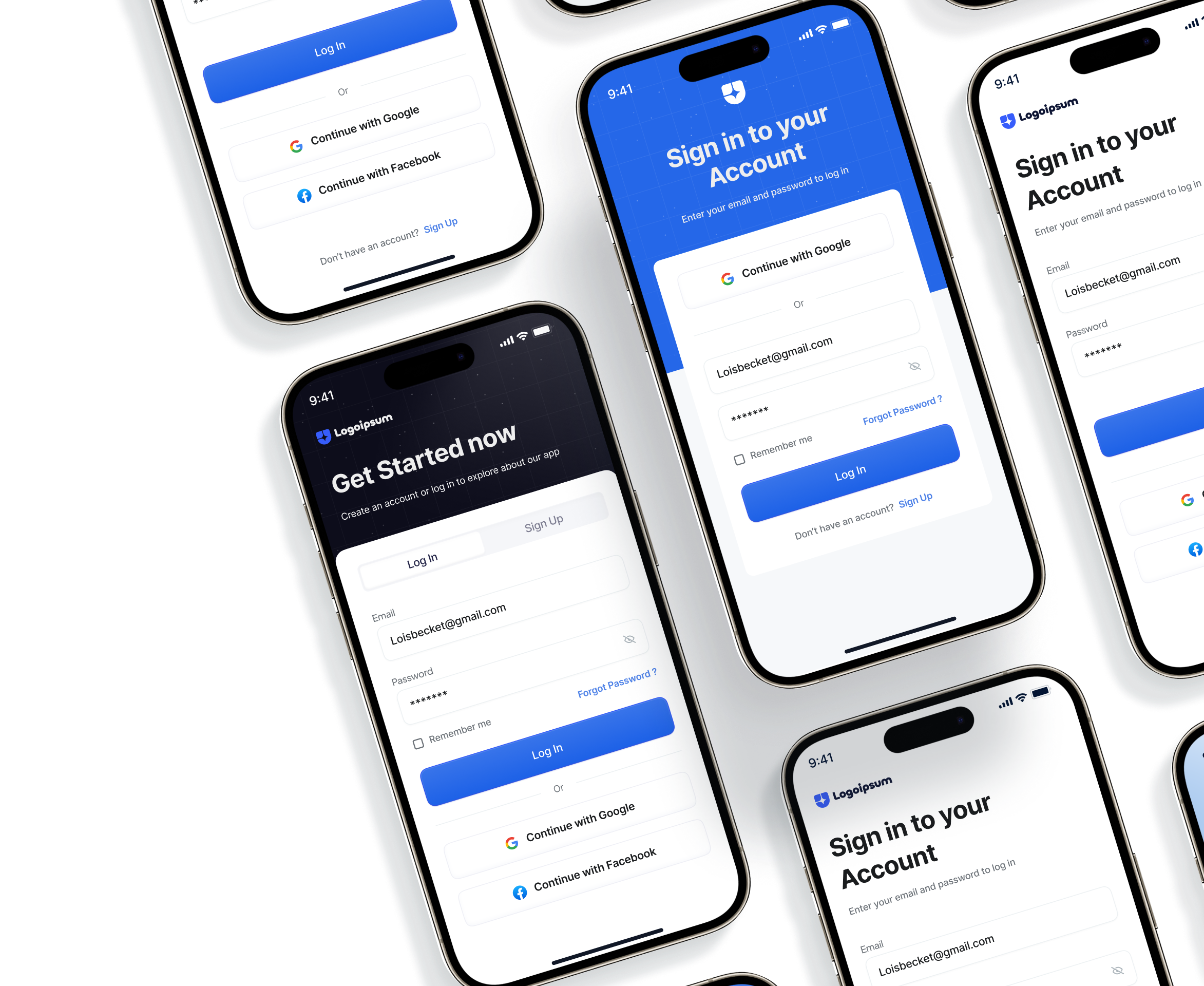
02 — MOBILE
Mobile App Development
Plan, design, engineer and evolve mobile products around defined users, business requirements and technical constraints.
03 — SOFTWARE
Software Development
Build purpose-specific software platforms and systems around business processes, integrations and operational requirements.
04 — WEB
Web Development
Create web applications and digital experiences that support broader product and software requirements.
05 — DESIGN
Design Services
Define user journeys, interfaces and product experiences before or alongside engineering.

06 — TEAM
Team Augmentation
Add engineering capacity with defined roles and responsibilities within an established delivery environment.
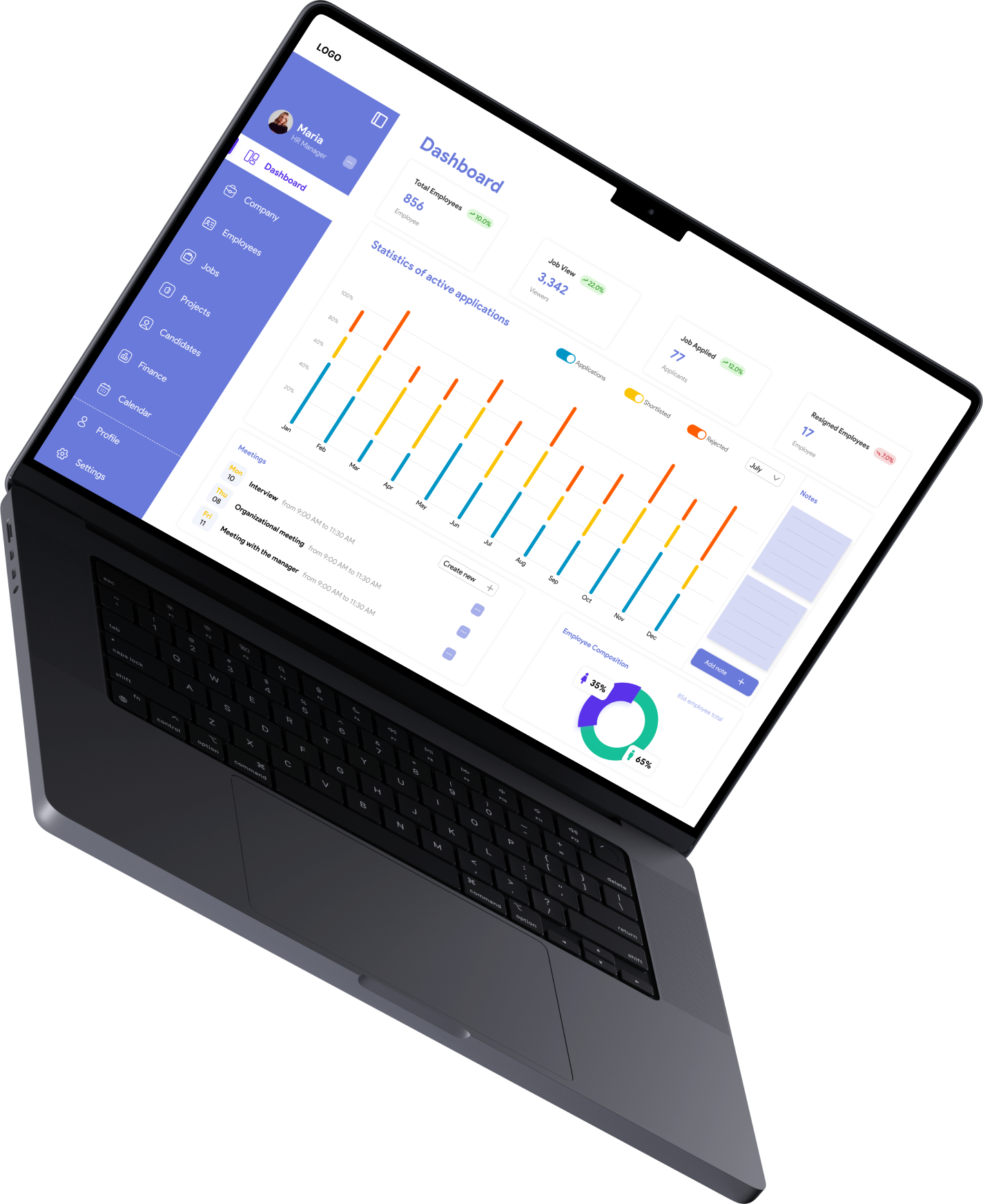
07 — SOFTWARE
Software Solutions
Explore software approaches organised around the operational or product problem the organisation needs to solve.
Why WDI
Why build your AI app with WDI
 01
01Experience Informs Better Decisions
WDI's broader delivery history provides useful context when planning product scope, dependencies, priorities and development trade-offs.
 02
02We Understand the Business Behind the Software
Business-first discovery connects product requirements with the operational or customer problem the application is intended to address.
 03
03Built Around Real Product Requirements
User roles, integrations, workflows and future requirements are considered when shaping the application's architecture and development approach.
 04
04Operational Requirements Considered Early
Access, privacy, data handling, performance expectations and other relevant operating requirements are considered during planning according to the product and agreed scope.
 05
05Business, Product and Technology Aligned
Commercial goals, user needs and engineering decisions are considered together when defining major product choices.
 06
06Connected Delivery
Discovery, design, engineering, validation, deployment planning and continued product evolution can be considered as connected parts of the delivery relationship.

Faqs
Questions businesses ask before starting a mobile engagement
These answers explain how WDI approaches mobile strategy, platform selection, engineering, quality, store release and long-term support.
If your question is not answered here, a mobile product specialist can address it directly in a consultation.
Yes. IoT and wearable work covers companion apps, Bluetooth and device connectivity, sensor data, health and fitness tracking, device control, monitoring, alerts and edge or offline workflows where the hardware and product requirements are defined.
Working against real devices early reduces risk. Where hardware is still evolving, WDI can start with interface, architecture and protocol assumptions, then validate against devices as they become available.
It depends on Bluetooth behaviour, background processing, platform APIs and the roadmap. Some connected products need native access on one or both platforms; others can share more of the mobile implementation.
Yes, when offline behaviour is designed deliberately. Buffering, retry rules, conflict handling and later synchronisation should be defined before the product depends on perfect connectivity.
Where suitable APIs and permissions exist, device data and events can feed into CRM, ERP, analytics, cloud storage or operations tools. Integration limits and failure states should be agreed early.
Testing covers pairing, permissions, data exchange, alerts, battery impact, reconnect behaviour and supported device combinations. Firmware assumptions and edge cases are treated as part of quality, not optional extras.
Yes, where there is a clear job for the model, enough reliable information and agreed evaluation criteria. AI should not be added until the data path and product need are sound.
Build Around the Platform
Experience Your Product Needs
Share your product requirements, intended platforms, device functionality, existing application environment and integrations.
WDI will review the product, platform requirements and technical dependencies before discussing whether native development is the appropriate next step.
