







01 Completed delivery
2,000+Projects
AI App Development
AI App DevelopmentCompany
WDI helps founders and product teams plan, build and integrate AI capabilities into mobile applications where they solve a defined user or business problem.
From assistants and recommendations to predictive capabilities and intelligent workflows, WDI considers the product experience, available information, privacy requirements, architecture, integrations, evaluation criteria and human oversight before defining the implementation approach.
Selected clients
Trusted to Build Digital Products
02 Product experience
200+Digital Products03 Client profile
Growing Businesses & Enterprises04 Delivery model
Centralised ExecutionWhat we do
AI Mobile App Development Services
WDI helps product teams introduce AI into mobile applications where it improves a defined user experience, workflow or business task. Our AI mobile app development services cover feature integration, assistants, recommendations, predictive capabilities and intelligent workflows. Before implementation, WDI considers the product objective, available information, privacy requirements, application architecture, integrations, evaluation criteria and where human review or fallback behaviour may be required.

AI Feature Integration
Add defined AI capabilities to existing mobile products where user needs, available information, architecture and operating requirements support practical integration.

Generative AI App Development
Plan generative AI features for defined mobile tasks where the required capability, information sources, controls and evaluation approach are technically validated.

AI Assistant Development
Create mobile AI assistants that help users retrieve information, navigate workflows or complete defined tasks using appropriate information sources and controls.

Recommendation Engine Integration
Integrate recommendations using suitable product, user or behavioural information where available data can meaningfully support relevant suggestions.

Predictive Analytics Integration
Introduce predictive capabilities where suitable historical data can support forecasting, classification, recommendations or defined mobile product decisions.

Computer Vision Integration
Include visual-analysis capabilities only where current technical evidence confirms the required implementation approach and the mobile use case supports them.
Related services
Extend Your
Web Experience
A PWA may depend on broader web engineering, mobile development, design, AI, modernisation or deployment requirements. These related services support the product where needs extend beyond the progressive web application itself.

01 — Cross-platform
Cross-Platform App Development
Use shared mobile engineering where installed mobile applications better fit product requirements.

02 — Web
Modern Web Development
Build browser experiences where full PWA behaviour is unnecessary for the product.

03 — Content
Content Platform Integration
Support content-driven experiences where an approved content architecture fits the product requirements.
04 — Design
Design Systems & Scalable UI
Create reusable interface patterns that support consistency across evolving digital experiences.
05 — AI
AI Mobile App Development
Add AI capabilities where product needs, information and operating requirements support them.
06 — Modernisation
App Modernisation
Improve existing applications where architecture, usability or technical constraints require broader change.
07 — Cloud
Cloud Applications & DevOps
Address supporting environment and deployment requirements according to the approved product scope.
Adding AI is a product decision before it is a technology decision. WDI helps teams determine where AI belongs, what information it requires, how users should interact with it and what controls should exist around the experience.
Where Should AI
Be Used?
Identify mobile journeys where AI may improve assistance, discovery, recommendations, interpretation or workflows without adding complexity to tasks conventional software already handles well.
Discuss this decision
What Information
Will the AI Need?
Determine required information, permitted use, access, privacy expectations, consent where applicable and handling constraints before deciding whether the data is suitable for implementation.
Discuss this decision
Generative AI or
Machine Learning?
Use generative approaches for suitable conversational or information tasks, while predictive, classification or recommendation requirements may depend on historical data and different evaluation methods.
Discuss this decisionHow Should AI Fit
the Existing App?
Review architecture, APIs, integrations, information flows and permissions to determine whether targeted integration is practical or supporting modernisation should happen first.
Discuss this decisionWhere Should
People Remain
Involved?
Define when users or operational teams should review, approve, correct or take over, particularly where AI outputs may be uncertain, sensitive or consequential.
Discuss this decisionHow Will the AI Be
Evaluated?
Set criteria around the intended task, such as relevance, recommendation quality, workflow usefulness or human-review outcomes, rather than assuming technical functionality alone proves value.
Discuss this decisionOur solutions
AI-Enabled Mobile Solutions
01 /
Add AI to an Existing Product
Extend an existing mobile product with AI capabilities where the user need, architecture, available information and operating requirements justify integration.
02 /
Launch an AI-Powered MVP
Build a focused first version of an AI-enabled mobile product to test important user journeys, technical assumptions and feature value before expanding development.
03 /
Automate Mobile Workflows
Use AI within mobile workflows to interpret information, support routing or reduce repetitive handling while retaining business ownership, exceptions and appropriate human review.
04 /
AI-Assisted Customer Support
Introduce AI-assisted support for defined questions or tasks using approved information sources, escalation paths and appropriate limits on automated responses.
05 /
Centralise AI Insights & Reporting
Bring relevant AI-generated or analysed information into defined reporting views so teams can review outputs, patterns and operational signals more consistently.
06 /
Integrate AI with Business Systems
Connect AI-enabled mobile experiences with existing systems where appropriate APIs, information access, permissions and integration paths are available.
07 /
Modernise Legacy Apps with AI
Assess legacy applications to determine whether architecture, integrations or information foundations should improve before useful AI capabilities are introduced.
08 /
Build AI-Enabled Platforms
Plan AI-enabled mobile platforms around users, workflows, integrations, information requirements and future product needs, with architecture shaped by the agreed operating context.
Industries
AI Mobile Apps by Industry
AI mobile requirements vary with users, information, workflows and operating environments. WDI can shape intelligent app experiences around different industry contexts while keeping data readiness, privacy, human oversight, integration dependencies and implementation constraints specific to the intended product.





Financial Services
Develop AI-enabled mobile experiences around financial information and customer workflows where access, information quality, oversight and operating requirements are clearly defined.
Learn more




Healthcare & Wellness
Create AI-enabled mobile products supporting healthcare or wellness journeys where information handling, user roles, human oversight and specialist requirements are established.
Learn more



Learning & Education
Build mobile learning experiences using AI for assistance, retrieval, recommendations or personalised interactions where suitable educational information and evaluation criteria exist.
Learn more



Commerce & Consumer
Introduce AI into consumer mobile experiences for discovery, support, recommendations or interactions where relevant product, customer or behavioural information is available.
Learn more


Media & Community
Develop AI-enabled mobile experiences for content discovery, assistance, classification or community interactions with suitable information sources, user controls and moderation considerations.
Learn more



Mobility & Logistics
Use AI within mobile operational experiences for prediction, assistance or workflow support where relevant information, integrations and user requirements are available.
Learn more


Industrial & Emerging Tech
Develop AI-enabled mobile experiences around connected or operational use cases where device, information, integration and workflow requirements are understood before implementation.
Learn more01
Client outcome
Define the users, mobile journey, business problem and outcome the AI capability should support.
Stage 01
Understand the Product Need
Define the users, mobile journey, business problem and outcome the AI capability should support.
02
Client outcome
Review available information, privacy considerations, application architecture, APIs, integrations, permissions and operating constraints.
Stage 02
Assess AI Readiness
Review available information, privacy considerations, application architecture, APIs, integrations, permissions and operating constraints.
03
Client outcome
Confirm whether AI is appropriate and identify assumptions that require focused validation before wider development.
Stage 03
Validate the Approach
Confirm whether AI is appropriate and identify assumptions that require focused validation before wider development.
04
Client outcome
Define interactions, information flows, human review, exceptions, fallback behaviour and the wider mobile experience.
Stage 04
Design the Experience
Define interactions, information flows, human review, exceptions, fallback behaviour and the wider mobile experience.
05
Client outcome
Develop the agreed mobile and AI capabilities and connect them with required systems and workflows.
Stage 05
Build & Integrate
Develop the agreed mobile and AI capabilities and connect them with required systems and workflows.
06
Client outcome
Test agreed functionality and AI behaviour against defined criteria before operational use.
Stage 06
Evaluate & Prepare
Test agreed functionality and AI behaviour against defined criteria before operational use.
07
Client outcome
Review operational evidence and changing product needs to determine where refinement or expansion is justified.
Stage 07
Monitor & Evolve
Review operational evidence and changing product needs to determine where refinement or expansion is justified.
Technology
AI Mobile
Technology
Expertise
Intelligent app development may combine AI capabilities, information retrieval, data, backend services and mobile engineering. Advanced techniques are selected only where current technical evidence and the use case support them.

AI Integration
Integrate AI capabilities into defined mobile workflows, product features and user experiences.

Information Retrieval
Connect AI experiences with defined information sources where retrieval supports the intended task.

Semantic Search
Use semantic retrieval only where current technical capability and implementation evidence support the requirement.

Machine Learning
Integration
Integrate predictive or classification capabilities where suitable data and evaluation criteria exist.

Backend Development
Build supporting application logic and services required by AI-enabled mobile experiences.

API & Microservices
Development
Develop APIs connecting mobile applications, AI capabilities and supporting business systems.

Data Engineering
Prepare required information flows to support defined AI features, integrations and evaluation.

Cloud AI Infrastructure
Define infrastructure requirements according to AI workloads, application architecture and operating needs.

AI Monitoring &
Security
Define monitoring, access and information-handling requirements according to the AI use case and scope.
AI Opportunities
What AI Can Improve
AI should support a defined part of the mobile experience or workflow rather than exist as an undefined feature. Potential value depends on the problem, available information, implementation and evaluation approach.
Personalised Experiences
Adapt selected experiences using relevant user information where suitable data and evaluation criteria exist.
AI-Assisted Customer Support
Help users address defined questions through AI-assisted interactions with appropriate escalation options.
Recommendation Experiences
Use suitable information to provide relevant suggestions within defined mobile experiences.
Intelligent Search
Help users retrieve relevant information through meaning-based or context-aware search experiences.
Automated Data Capture
Extract and organise information from suitable inputs to reduce repetitive manual entry.
Predictive Decision Support
Use suitable historical data to support forecasts or recommendations for defined decisions.
Conversational Experiences
Enable users to access information or complete defined tasks through conversational mobile interfaces.
Workflow Assistance
Apply AI to suitable repetitive activities while maintaining appropriate ownership, review and exception handling.
Our Projects
Selected work
A fraction of what we have shipped. Filter by industry to find work close to your world.

01 / 06WDI × GSF
Key Impact
India’s first commercial fitness platform built for corporates.
iOS & AndroidLive SessionsCorporate Wellness
Fitness & Wellness
GSF
01Fitness & Wellness
Get Set Fit
Personalized. Trackable. Engaging.
GSF is a fitness platform connecting fitness goals — tracking live sessions, corporate users, subscriptions, and engagement loops.
C
Flawless fitness platform.
Truly engaging product.

02 / 06WDI × WOKA
Key Impact
Over 1M downloads and 10M+ streams to date.
Kids OTTLive TVMobile-first
Media & Entertainment
WOKA
02Media & Entertainment
WOKA
A safe universe for kids.
A kids OTT and entertainment platform blending live TV, audiobooks, games, karaoke, and learning in one safe, mobile-first experience.
C
Kids genuinely love it.
Beautifully crafted app.

03 / 06WDI × Tanami
Key Impact
Over $2M in assets managed through the app.
Private MarketsSmart MatchingMobile-first
Fintech
Tanami
03Fintech
Tanami
Private markets, opened up.
A fintech investment platform bringing institutional-grade private markets to a refined mobile-first experience with smart matching.
C
Institutional-grade execution.
Seamless investing experience.

04 / 06WDI × SimpliTend
Key Impact
Coordinated elder care for families and caregivers.
CaregivingHealth LogsSenior-friendly UX
Healthcare
SimpliTend
04Healthcare
SimpliTend
Care, coordinated.
A healthcare and caregiver platform syncing care recipients with their circle through reminders, health logs, and a senior-friendly interface.
C
Thoughtful care platform.
Genuinely life-changing.

05 / 06WDI × ZingHR
Key Impact
One of India’s largest HR platforms, trusted by enterprises nationwide.
HCM SuiteEmployee LifecycleEnterprise
Enterprise / HR
ZingHR
05Enterprise / HR
ZingHR
The whole employee journey.
A mobile-first human capital management platform automating the full employee lifecycle for over a thousand global organizations.
C
Enterprise-ready and rock-solid.
Scales effortlessly.

06 / 06WDI × Autolex
Key Impact
Insurance claims, intelligently handled end-to-end.
AI-AssistedClaims GovernanceInsurance
Insurance
Autolex
06Insurance
Autolex
Claims under control.
An AI-assisted claims governance platform bringing structure, visibility, and intelligence to complex motor and legal insurance workflows.
C
Smart claims automation.
Incredibly intuitive tool.
Client perspectives
What product leaders say
about designing with WDI
Verified feedback from founders, product owners and technology teams who have worked with WDI on product strategy, UX, interface design and digital-product delivery.
Working with WDI has been a quietly brilliant decision. They think with us, not just for us - the architecture they proposed still serves us three years on.
Zero drama.
Shipped.
The AI features we built with WDI are live in production and our support team is genuinely faster. Real, practical engineering - not buzzwords.
Pixel-perfect craft.
They architected our platform to one. Two years and 10× traffic later, it hasn't flinched once.
Working with WDI has been a quietly brilliant decision. They think with us, not just for us - the architecture they proposed still serves us three years on.
Zero drama.
Shipped.
The AI features we built with WDI are live in production and our support team is genuinely faster. Real, practical engineering - not buzzwords.
Pixel-perfect craft.
They architected our platform to one. Two years and 10× traffic later, it hasn't flinched once.


Awards & recognition
Recognisedwhere it counts -by the people keeping score.
20+ honours across 4 independent platforms - verified on Clutch, Google,DesignRush and GoodFirms. Every entry below links back to its source, so theproof stands on its own.
- 01
Clutch
4.9Top B2B Company 2025
Verified Reviews - 02
Google
4.9Google Reviews 2025
Customer Rating - 03
DesignRush
- 04
GoodFirms



Explore WDI capabilities
Explore WDI
Capabilities
Mobile development may connect with broader product, software, design, AI or delivery requirements. These WDI capabilities provide clear routes to related services when the requirement extends beyond the mobile application itself.
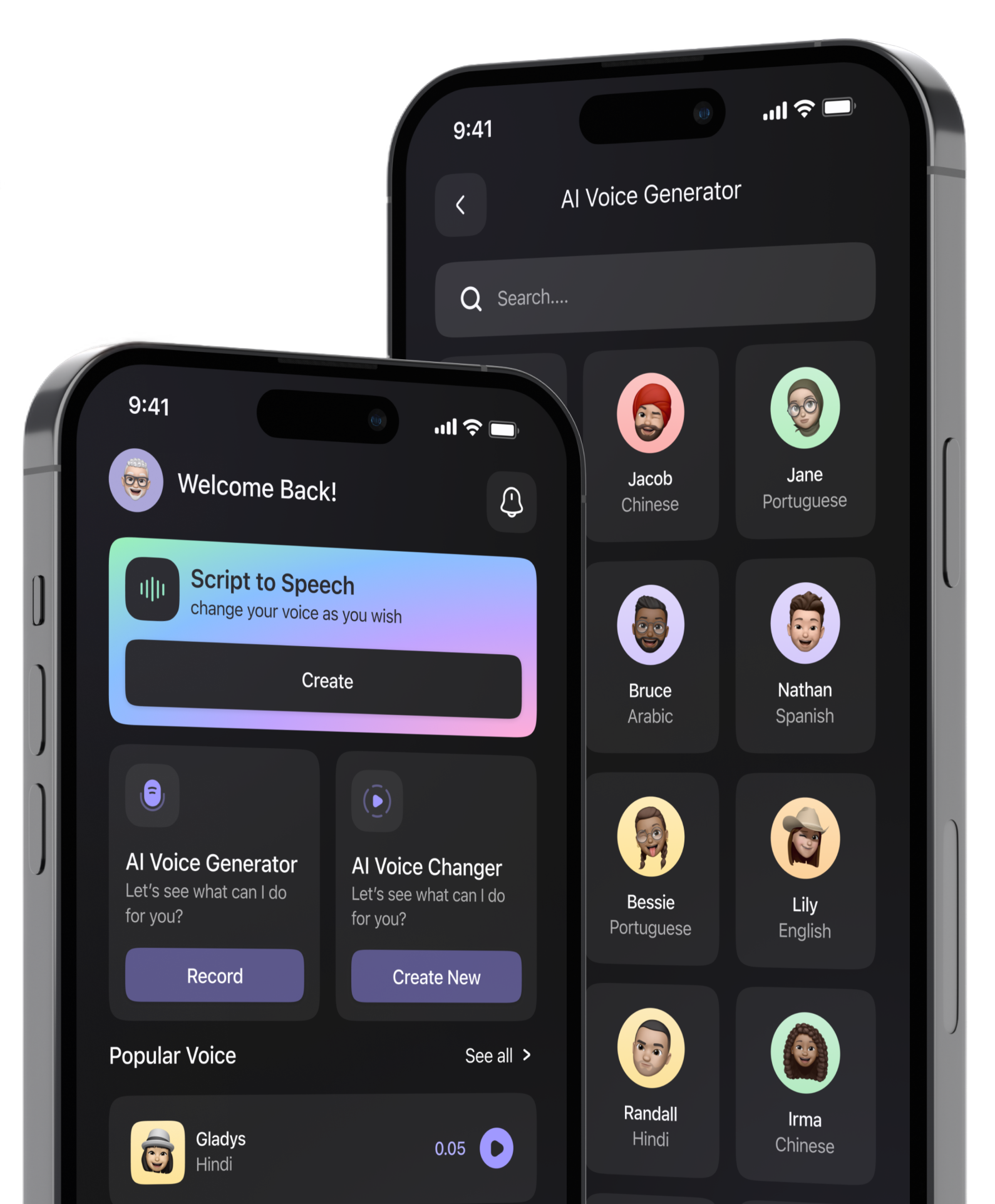
01 — AI
AI Development
Evaluate and implement AI capabilities for products, software and workflows where AI supports a defined business or user need.
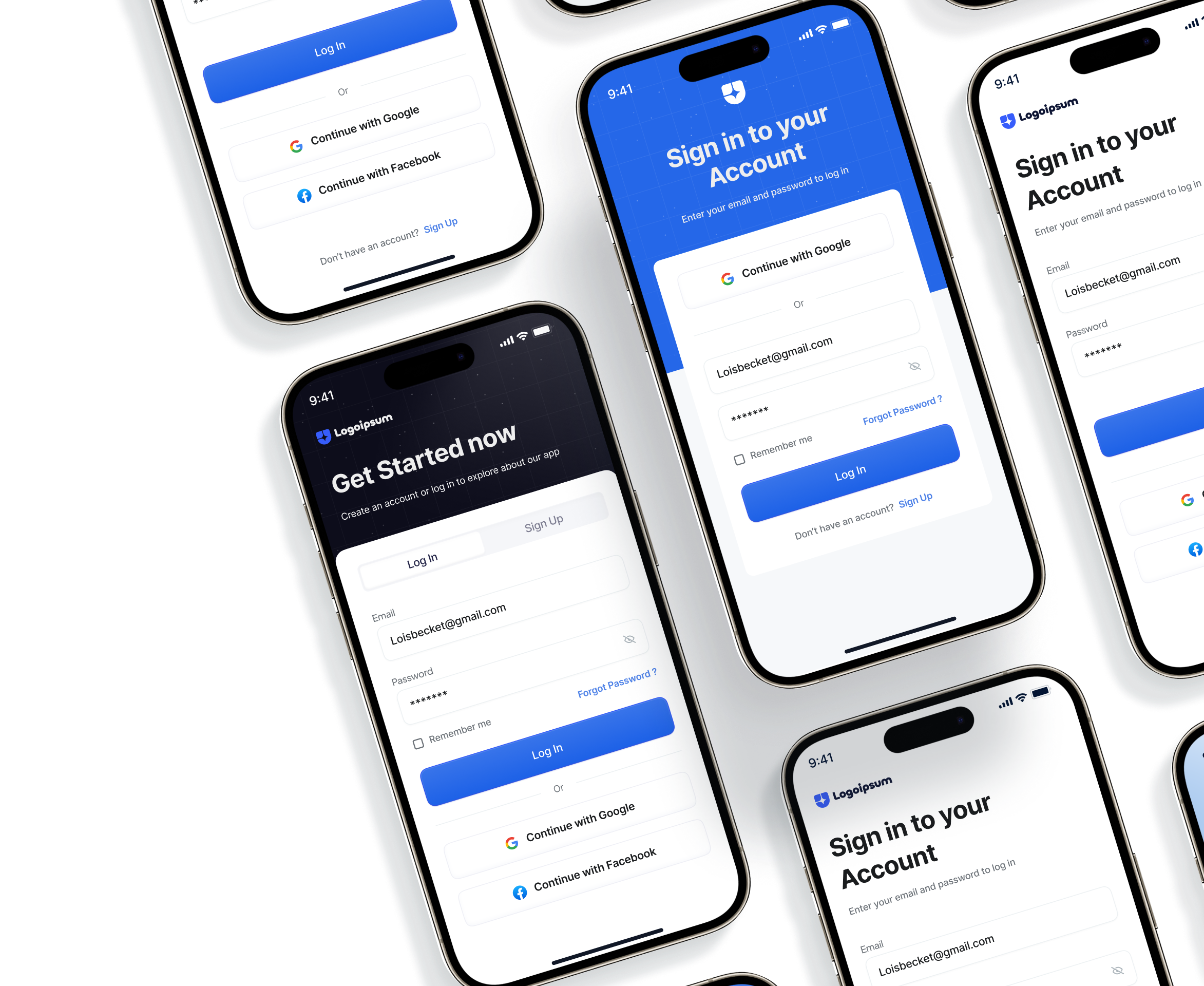
02 — MOBILE
Mobile App Development
Plan, design, engineer and evolve mobile products around defined users, business requirements and technical constraints.
03 — SOFTWARE
Software Development
Build purpose-specific software platforms and systems around business processes, integrations and operational requirements.
04 — WEB
Web Development
Create web applications and digital experiences that support broader product and software requirements.
05 — DESIGN
Design Services
Define user journeys, interfaces and product experiences before or alongside engineering.

06 — TEAM
Team Augmentation
Add engineering capacity with defined roles and responsibilities within an established delivery environment.
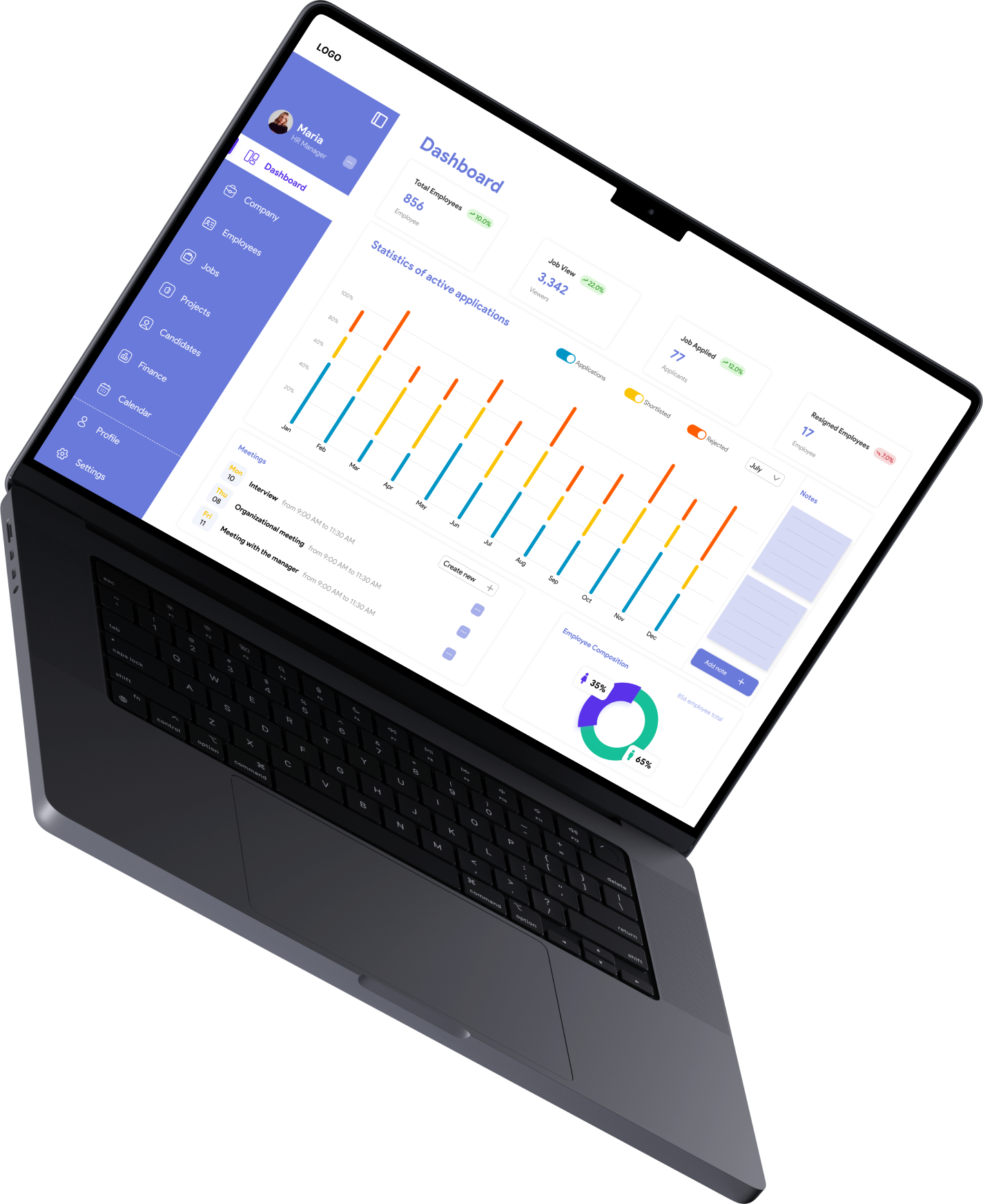
07 — SOFTWARE
Software Solutions
Explore software approaches organised around the operational or product problem the organisation needs to solve.
Why WDI
Why build your AI app with WDI
 01
01Experience Informs Better Decisions
WDI's broader delivery history provides useful context when planning product scope, dependencies, priorities and development trade-offs.
 02
02We Understand the Business Behind the Software
Business-first discovery connects product requirements with the operational or customer problem the application is intended to address.
 03
03Built Around Real Product Requirements
User roles, integrations, workflows and future requirements are considered when shaping the application's architecture and development approach.
 04
04Operational Requirements Considered Early
Access, privacy, data handling, performance expectations and other relevant operating requirements are considered during planning according to the product and agreed scope.
 05
05Business, Product and Technology Aligned
Commercial goals, user needs and engineering decisions are considered together when defining major product choices.
 06
06Connected Delivery
Discovery, design, engineering, validation, deployment planning and continued product evolution can be considered as connected parts of the delivery relationship.

Faqs
Questions businesses ask before starting a mobile engagement
These answers explain how WDI approaches mobile strategy, platform selection, engineering, quality, store release and long-term support.
If your question is not answered here, a mobile product specialist can address it directly in a consultation.
WDI provides mobile product strategy and discovery, mobile UX and interface design, native iOS and Android engineering, cross-platform development, progressive web applications, IoT and wearable applications, AI-enabled mobile features, backend and administration systems, integrations, quality assurance, store release support and long-term maintenance.
Yes. WDI develops native iOS applications using Swift and SwiftUI, native Android applications using Kotlin, and cross-platform applications using Flutter or React Native where a shared codebase suits the product.
The decision depends on the product requirements rather than a universal preference. WDI reviews the critical user workflows, device and hardware functionality, performance expectations, offline needs, team model, maintenance approach and long-term roadmap before recommending an approach.
Yes. Mobile discovery covers the target users, mobile context, workflows, business model, feature priorities and first-release definition, producing a product brief, prioritised feature set, MVP recommendation and roadmap before engineering begins.
Yes. MVP App Development defines, designs and builds a focused first release that validates the most important assumptions, including product discovery, prototype, mobile engineering, backend and admin, analytics, store release and a post-launch roadmap.
Yes, where a defined use case justifies it. AI Mobile App Development covers generative AI, AI assistants, enterprise retrieval, voice, computer vision, recommendations and on-device intelligence, with evaluation and human oversight built into the approach.
Yes. WDI designs and builds API architecture, databases, authentication, role and permission management, administration portals, content management, workflow logic, notifications, reporting and audit logging alongside the mobile application.
Yes. Common integrations include payments, maps and location, communication services, analytics, CRM and ERP systems, cloud storage, identity providers, social platforms, IoT devices and wearables. Integration limits, error states and fallback behaviour are defined before the build depends on them.
Yes. Progressive web applications provide installable, browser-delivered experiences without conventional app-store distribution. They suit wider device reach and lower-friction access, though platform capability varies by browser and device.
Yes. IoT and Wearable Development covers wearable companion apps, Bluetooth and device connectivity, sensor data, health and fitness tracking, device control, real-time monitoring, alerts and edge or offline workflows.
Testing covers functional, device and operating-system, API, regression and automated testing, together with performance assessment, permission review, secure authentication checks, data-protection review, error handling, accessibility checks and a release-readiness assessment.
Yes. WDI supports store preparation, App Store and Play Store submission, environment configuration, store assets and release coordination, subject to the scope agreed for the engagement.
Yes. WDI can assess an existing application and support interface renewal, architecture cleanup, performance improvement, new capabilities, operating-system compatibility updates and re-platforming where appropriate.
Typical deliverables include a mobile product definition, experience architecture, interface designs and prototype, technical definition, working mobile product with source code and backend, a quality and release pack, and a launch and improvement plan. The exact set is agreed per engagement.
Timelines depend on scope, platform approach, integrations and review cycles. WDI defines the timeline during discovery and prioritisation, once the first-release scope and technical approach are agreed.
Pricing follows the engagement model and agreed scope. Discover and Define engagements are scoped around defined outputs, Design and Build engagements around the agreed release, and Scale and Support engagements around ongoing capacity.
WDI can provide monitoring, analytics review, maintenance, operating-system compatibility updates, performance work, feature enhancement and a prioritised post-launch backlog under a Scale and Support engagement.
Yes. Many engagements begin with Discover and Define, producing a discovery brief, prototype, platform recommendation and scope before any commitment to full development.
Build AI Where It Improves
the Mobile Product
Share the mobile experience you want to build or improve, the problem AI is expected to address, your existing application environment and the information available.
WDI will review the product need, information and privacy considerations, implementation dependencies and evaluation requirements before discussing an appropriate next step.
